Most Business Advice Assumes a Maintained Terrain
The WILD Doesn't

Most business advice assumes a maintained terrain.
Stable energy.
Reliable support.
Room for mistakes.
Time to recover.
Consistent capacity.
Space to pause without consequences.
A lot of business strategies work beautifully there.
But not everyone is operating there.
And when people in one environment give advice to people in another, things can start breaking down fast.
That is where The WILD comes in.
Out here, we use three metaphors to explain the mismatch:
the State Park
the State Forest
and a cockroach named Clarence
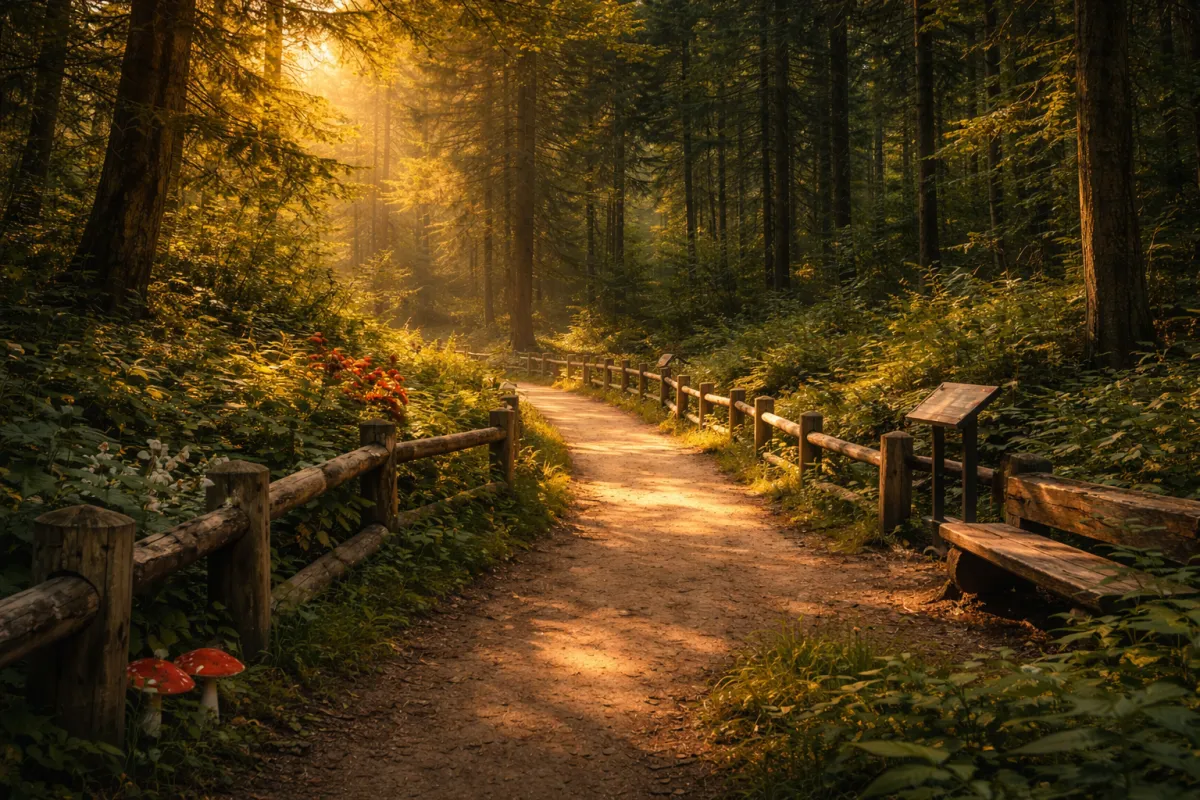
Most business advice is designed for people camping in and exploring the State Park.
In the State Park:
the trails are marked
the ground is cleared
someone else handles maintenance
there is help nearby if something goes wrong
there are places to park and scenic overlooks with benches to rest
In a place like that, advice like:
be consistent everywhere
batch your content
heal the belief first
build the system before you start
send more messages
push harder
slow down to speed up
wait until you feel ready
can work extremely well.
There.
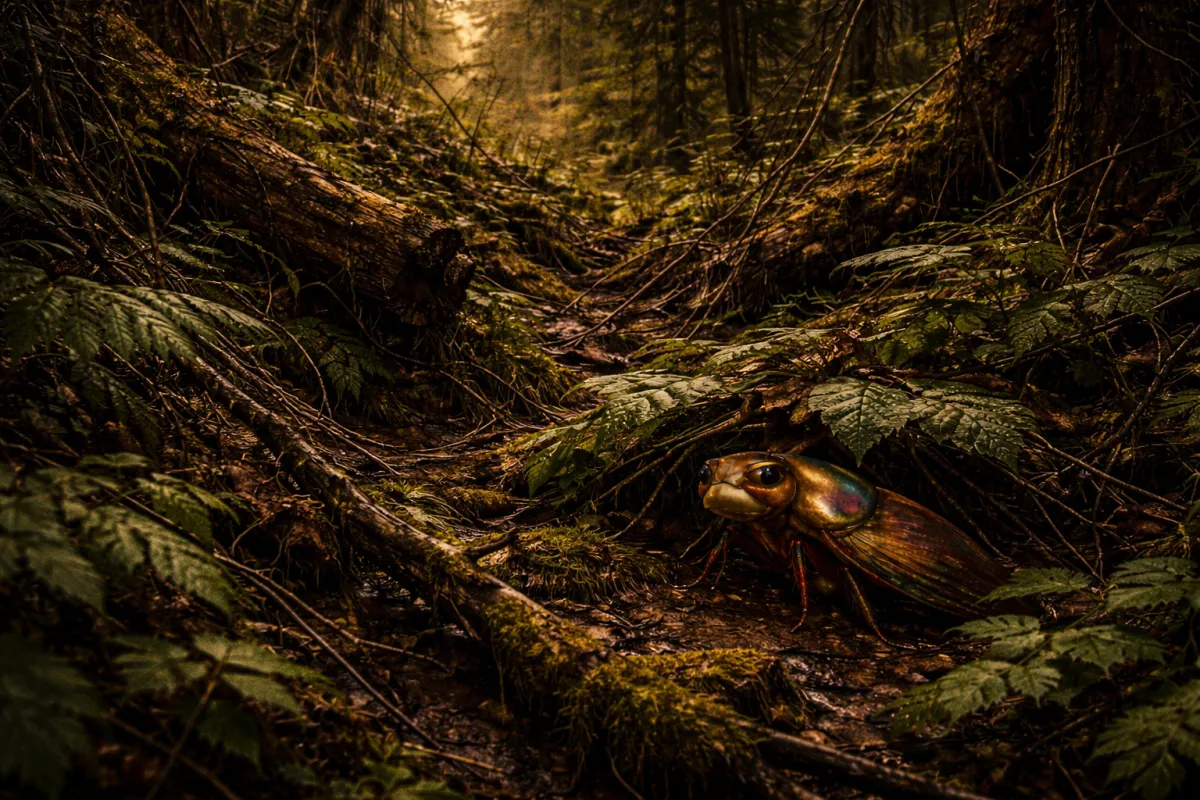
Some of you are not in a State Park. You’re in a State Forest.
no trails - you're bush-whacking
the ground is wild, unruly, and untamed
there is no ranger station
there is no help nearby if something goes wrong
you pack it in? - you pack it back out
The environment carries almost none of the weight.
So guidance that depends on:
stability
emotional bandwidth
reliable support
consistency
or spaciousness
starts functioning differently.
Sometimes it stops functioning entirely.
What "Park" Advice Feels Like in the "Forest"
Advice that sounds straightforward in the Park can land very differently in the Forest.
Out here, it often turns into:
burnout that does not improve with rest
constant pressure that never fully lifts
forcing strategies that feel wrong but “should” work
inconsistency you cannot seem to solve
feeling behind no matter how hard you push
flattening yourself trying to keep up
shame that starts feeling personal
frustration that keeps building instead of resolving
wondering why it seems so easy for everyone else and so hard for you
feeling like a fraud no matter how much effort you put in
inconsistency that you cannot seem to fix
a constant sense of being behind
an undercurrent of inadequacy that does not go away
and a constant suspicion that everyone else got instructions you somehow missed.
After a while, it can start to feel like: You are the problem.
When sometimes the real problem is: The advice quietly depended on conditions you do not currently have.
Meet Clarence
Clarence is a cockroach.
He's not your savior. He does not care about transcendence. He does not care about optimization. He does not care whether the environment is ideal.
Clarence cares about eating the crumb.
He lives in the State Forest.
In the leaves.
In the mess.
In the places advice does not want to look at.

Clarence does not analyze the terrain. He does not grade the conditions. He does not wait for readiness. He does not argue with reality.
He sees what still works and uses it. That’s it.
Clarence is the Now what? in "Yup, you’re right. This sucks. Now what?"
Not motivational. Not elegant. Still alive.
Why This Matters
This framework does not exist to replace all business advice.
Park guidance works beautifully in Park conditions.
The problem happens when someone in the Park starts shouting Park instructions at someone deep in the Forest.
Because when the terrain changes: The strategy changes too.
And if nobody names that mismatch, people often start blaming themselves for failing systems that were never designed for their actual conditions.
Recognizing the terrain changes the conversation.
It removes a layer of unnecessary shame.
It restores clearer decision-making.
And it makes it easier to work with what is actually available instead of constantly fighting reality.